
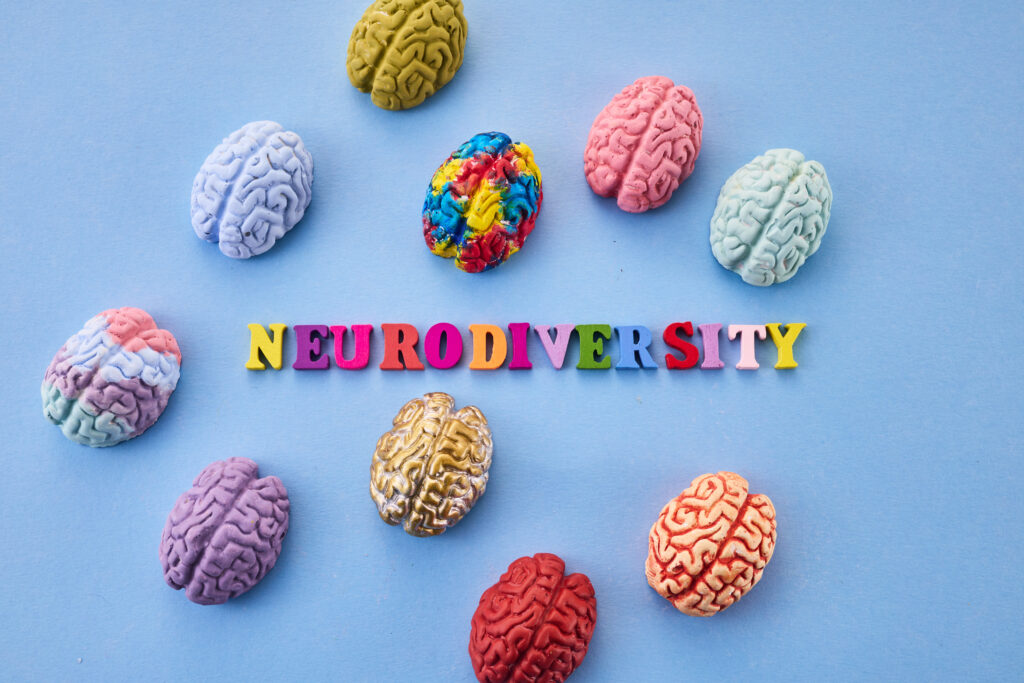
More people than ever are beginning to ask themselves an important question:
Do you think you might be neurodiverse?
Perhaps you have always felt that you experience the world differently from others. Maybe certain environments feel overwhelming, or you find it hard to focus in ways that others seem to manage easily. You might also notice unique strengths in creativity, problem-solving, or deep focus.
For many people, learning about neurodiversity opens the door to understanding themselves in a completely new way.
Let’s explore what neurodiversity means, signs you might be neurodivergent, and how counselling support can help if you are questioning your neurodiversity.
What Does Neurodiverse or Neurodivergent Mean?
The concept of neurodiversity recognises that human brains naturally work in different ways. Rather than seeing neurological differences only as disorders, the neurodiversity approach views them as variations in how people think, learn, and experience the world.
Neurodivergence can include conditions such as:
- Autism
- ADHD
- Dyslexia
- Dyspraxia
- Tourette’s syndrome
People who are neurodivergent may experience differences in:
- Attention and focus
- Sensory processing
- Communication style
- Organisation and planning
- Emotional regulation
- Social interaction
At the same time, many neurodivergent individuals also have strengths such as creativity, innovation, pattern recognition, and deep interests.
Signs You Might Be Neurodiverse
Many adults begin questioning whether they may be neurodivergent after recognising certain patterns in their lives.
Some common experiences include:
- Feeling easily overwhelmed by noise, lights, or busy environments
- Struggling with organisation, time management, or focus
- Feeling socially different or finding social situations exhausting
- Having intense interests or hyperfocus on certain topics
- Feeling misunderstood by others
- Experiencing burnout from masking or trying to fit in
These experiences do not necessarily mean you are neurodivergent, but they can lead people to explore the possibility further.
For many individuals, simply asking “Could I be neurodiverse?” is the first step toward greater self-understanding.
The Emotional Impact of Questioning Neurodiversity
Realising you might be neurodivergent can bring a wide range of emotions.
You might feel:
- Relief that your experiences finally make sense
- Curiosity and a desire to learn more
- Doubt or uncertainty
- Grief about past misunderstandings
- Anxiety about labels or diagnosis
This process can be deeply personal, and there is no single “right” way to explore it.
Having a supportive space to talk about these thoughts can make a significant difference.
How Counselling Can Help If You Think You Might Be Neurodiverse
If you are questioning whether you might be neurodivergent, counselling can provide a safe and supportive space to explore your experiences.
While counsellors do not diagnose neurodevelopmental conditions, therapy can help you better understand yourself and your needs.
- Exploring Your Life Experiences
A counsellor can help you reflect on patterns in your life, including:
- Childhood experiences
- School or workplace challenges
- Relationships and social situations
- Sensory sensitivities
- Emotional responses to stress or change
Looking at these experiences together can help you build a clearer picture of how your brain works.
- Developing Self-Understanding and Self-Acceptance
Many people who later identify as neurodivergent have spent years feeling “different” or believing something is wrong with them.
Counselling can help you:
- develop self-compassion
- challenge negative self-beliefs
- recognise your strengths
- understand your needs more clearly
This process can be empowering and validating.
- Learning Practical Coping Strategies
Counselling can also help you develop strategies that support your wellbeing, such as:
- managing sensory overwhelm
- improving routines and organisation
- communicating your needs more clearly
- setting healthy boundaries
- reducing burnout
These strategies can help you work with your brain rather than against it.
- Support Around Neurodiversity Assessment
Some people choose to pursue a formal neurodiversity assessment, while others prefer self-understanding without diagnosis.
A counsellor can support you in exploring:
- whether assessment feels right for you
- what you hope to gain from a diagnosis
- any fears or expectations you have
This can help you make an informed decision about your next steps.
You Don’t Have to Explore This Alone
If you have been asking yourself “Do you think you might be neurodiverse?”, you are not alone. Many adults are beginning to explore this question and discovering new ways of understanding themselves.
Counselling offers a supportive environment where you can reflect on your experiences, make sense of your feelings, and develop strategies that support your wellbeing.
Greater self-understanding can lead to increased confidence, self-acceptance, and a more compassionate relationship with yourself.
Wondering If You Might Be Neurodiverse?
If parts of this article resonated with you, you may be at the beginning of a journey of understanding yourself more deeply.
Questioning whether you might be neurodivergent can bring many thoughts and emotions. You might feel relief, confusion, curiosity, or even uncertainty about where to start. These reactions are completely normal.
You don’t have to explore these questions on your own.
Counselling can provide a supportive space where you can talk openly about your experiences, reflect on patterns in your life, and begin to understand how your mind works in a way that feels compassionate and empowering.
Together, we can explore:
- your experiences growing up and how they may connect to neurodiversity
- challenges you may be facing at work, in relationships, or in daily life
- the strengths and abilities that come with the way your brain works
- practical strategies that support your wellbeing
- whether seeking a formal assessment feels right for you
There is no expectation to have all the answers. Counselling is simply a place to begin exploring the question.
Do you think you might be neurodiverse?
If you would like a safe and non-judgemental space to talk about this, I would be happy to support you.
Take the Next Step
You can book an initial session or get in touch to ask any questions.
- Book a counselling session
- Arrange a free introductory call
- Send an enquiry
Taking the first step can feel daunting, but it can also be the start of understanding yourself in a new and compassionate way.